Evidence-based anxiety treatments for Black women carrying chronic emotional load
You move through your day, managing everyone else's responsibilities. You respond to messages, organize what comes next, remember what was missed, and keep your pace steady even as your breath tightens. Your shoulders lift. Your chest feels heavy. Your thoughts speed up. Anxiety often shows up in these quiet, everyday moments when you are doing what you have always done, holding everything together.
Research shows that about one in four Black women meets criteria for an anxiety disorder at some point in their lifetime, and more than half of those who ever develop a psychiatric disorder continue to live with symptoms that become persistent rather than brief. Understanding anxiety disorder treatments matters because your anxiety often looks different from what others imagine. For many Black women, anxiety does not show up as panic attacks or visible fear. It shows up as overfunctioning, constant mental load, emotional exhaustion, and a nervous system that never truly rests.
In case you’re new here, I’m Dr. J, and I help high-achieving Black women and women of color break cycles of self-abandonment, burnout, and emotional isolation through soul-centered therapy and coaching. If you want to get your voice back and lead a life that feels aligned, liberated, and deeply rooted, you are in the right place. I founded Deeply Seen Psychological Services, a faith-integrated therapy where you can find anxiety therapy.
What I see as a Black psychologist working with anxious Black women
Many Black women live with anxiety while appearing calm, capable, and composed. You may be successful at work, reliable in your relationships, and deeply responsible, while your body stays tense and alert underneath it all.
Anxiety often becomes invisible when you are the one everyone depends on. You may minimize your symptoms because they do not seem dramatic enough. You may tell yourself you are just stressed, tired, or overwhelmed. Over time, anxiety becomes the quiet weight you carry through every part of your life.
Research shows that anxiety symptoms in Black women are often more persistent and chronic than in other groups. Instead of being treated early, anxiety is frequently normalized. You adapt. You push through. Your nervous system learns to stay on guard even when nothing is immediately wrong.
If you are a Black woman with anxiety, your symptoms may not look the way you expect
Anxiety does not always show up as fear or panic. For many high-achieving Black women, anxiety looks like constant responsibility, mental multitasking, and emotional restraint. You stay productive while feeling internally overwhelmed.
High-functioning anxiety and chronic emotional load
High-functioning anxiety often hides behind competence. You meet deadlines, care for others, and stay organized while your body carries tension and fatigue. Anxiety becomes woven into daily life rather than recognized as something that deserves care.
Why anxiety is often mistaken for stress or burnout
Because stress and burnout are normalized for Black women, anxiety frequently goes unnamed. What looks like stress is often a nervous system that has been activated for too long without relief.
When your body stays alert even when life feels stable
Even during calm periods, your body may remain tense. Difficulty resting, shallow breathing, and constant vigilance are signs that your nervous system has not learned safety.
How to recognize anxiety disorder symptoms in your body and nervous system
Anxiety disorders are not personality traits or signs of weakness. They are patterns that develop when the nervous system learns that safety is uncertain. Anxiety is your body trying to protect you, even when that protection is no longer helping.
Anxiety disorder symptoms
Physical symptoms of anxiety disorders that are often overlooked
Anxiety often shows up physically before it is recognized emotionally. Tight shoulders, jaw clenching, digestive discomfort, headaches, and chronic fatigue are common signs of anxiety disorders.
Emotional and cognitive signs of anxiety that feel hard to name
Racing thoughts, irritability, emotional numbness, and difficulty concentrating are all ways anxiety can affect your inner world. These symptoms may feel familiar but hard to describe.
Types of anxiety disorders and how they show up in your daily life
Anxiety disorders are not one single experience. They take different forms depending on how your nervous system responds to stress, pressure, and emotional load. Many Black women live with anxiety for years without realizing that what they are experiencing has a name and is treatable.
Understanding the different types of anxiety disorders can help you recognize what is happening in your body and choose anxiety disorder treatments that actually fit your experience.
Generalized anxiety disorder occurs when worry never truly turns off
Generalized anxiety disorder often looks like constant mental activity. Your mind stays busy anticipating problems, replaying conversations, and preparing for what could go wrong. Even when life feels relatively stable, your thoughts rarely slow down.
For many Black women, generalized anxiety disorder blends into daily responsibility. You may be labeled as driven, organized, or high achieving, while internally feeling tense, restless, and mentally exhausted. Your body stays alert because it has learned that staying prepared is safer than relaxing.
This type of anxiety often shows up as difficulty sleeping, muscle tension, irritability, and an ongoing sense of unease rather than obvious panic.
Panic disorder occurs when anxiety comes in sudden waves
Panic disorder involves sudden surges of intense fear or physical discomfort that feel overwhelming and unpredictable. Panic attacks can include a racing heart, shortness of breath, dizziness, chest tightness, or a fear that something terrible is about to happen. For many people, the symptoms are so intense and physical that they believe they’re having a heart attack or dying, which often leads to emergency room visits. Even after medical tests come back normal, the fear of it happening again can be just as distressing as the attack itself.
Many women delay seeking help for panic symptoms because the episodes come and go. You may tell yourself it was just stress or exhaustion. Over time, fear of having another panic attack can lead you to avoid certain situations, places, or responsibilities.
For Black women, panic symptoms are often minimized or misinterpreted, which can delay effective anxiety disorder treatment and increase fear around your own body.
Social anxiety when being seen feels emotionally unsafe
Social anxiety disorder is not about shyness. It is a deep fear of being judged, evaluated, or misunderstood. For Black women, social anxiety can be shaped by experiences of scrutiny, stereotypes, and pressure to perform or represent well.
You may feel anxious in meetings, social gatherings, or professional settings. Your body may tense, your mind may go blank, or you may overprepare to avoid mistakes. Even positive attention can feel overwhelming.
Social anxiety often leads to emotional withdrawal or overcompensation, both of which can increase exhaustion over time.
What anxiety disorder treatments work for Black women
Not all anxiety disorder treatments are created with Black women in mind. Many approaches focus on managing thoughts or behaviors without addressing the chronic emotional load, nervous system exhaustion, and cultural expectations that shape anxiety in your body.
Effective anxiety disorder treatments for Black women must work on multiple levels. They must help regulate the nervous system, process emotional and relational history, and create a sense of internal safety that has often been missing for years.
Below are the anxiety disorder treatments that research and clinical experience show are most effective when anxiety is rooted in chronic stress, overfunctioning, and emotional suppression.
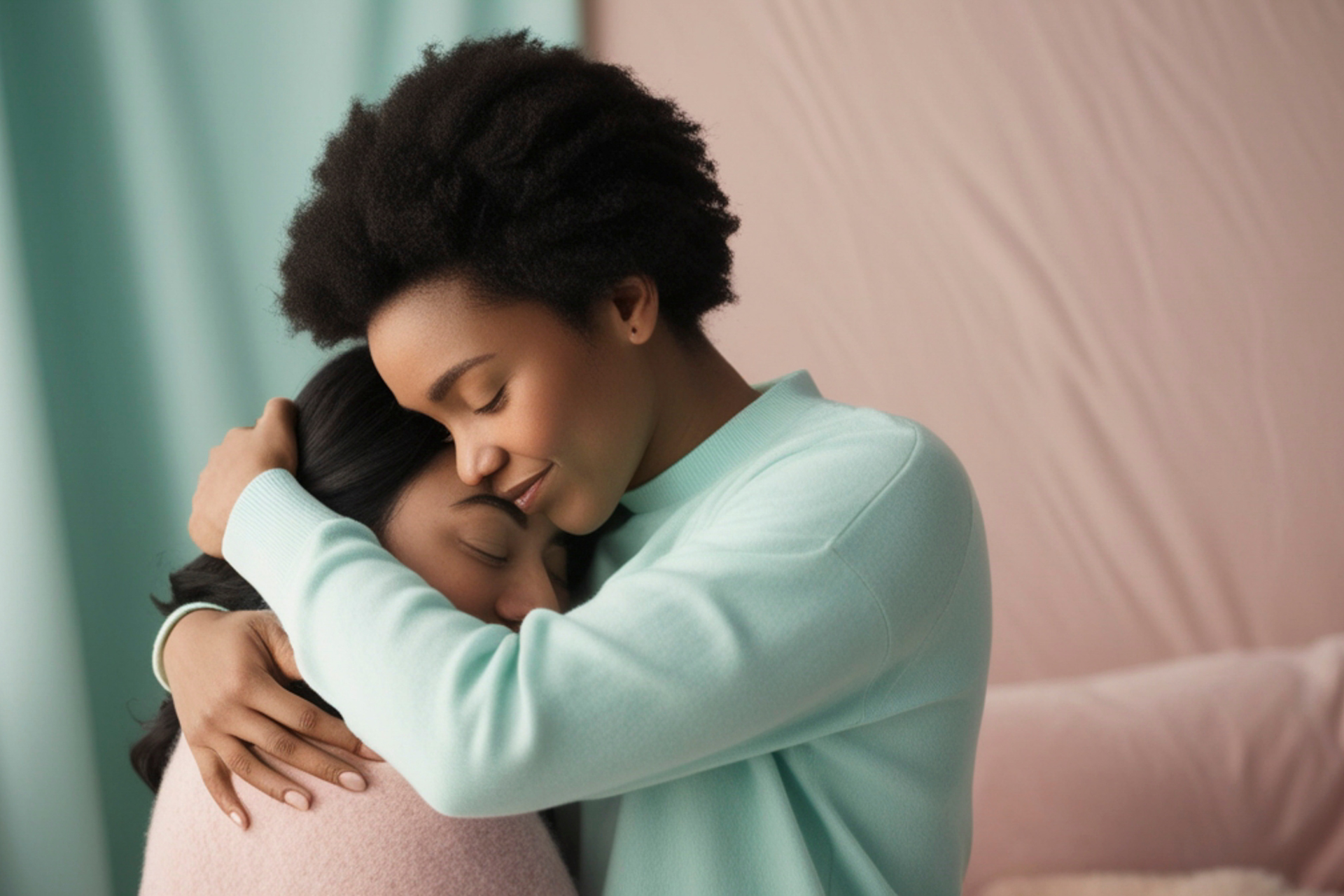
Evidence-based anxiety disorder treatments explained simply
Evidence-based anxiety disorder treatments are approaches that have been studied and shown to reduce anxiety symptoms over time. For Black women, the most effective treatments are those that go beyond surface coping and help the body and mind work together.
These treatments include:
Trauma-informed therapy
Research shows that many Black women carry anxiety shaped by long-term stress, racialized experiences, and emotional responsibilities that were never processed. Trauma-informed therapy helps identify how past experiences continue to activate anxiety in the present. This approach allows the nervous system to release stored fear and tension instead of constantly reliving it.
Cognitive behavioral therapy adapted for lived experience
Traditional cognitive-behavioral therapy focuses on identifying and changing anxious thought patterns. When adapted properly, it can help Black women recognize internalized pressure, perfectionism, and self-abandonment that fuel anxiety. The key is that thoughts are addressed in context, not in isolation.
Faith integrated therapy that brings grounding and meaning
Faith becomes a place to return to when anxiety rises. Many Black women experience anxiety not only physically but spiritually. Faith-integrated therapy creates a space where your emotional healing and spiritual identity work together instead of pulling you apart.
It helps you explore beliefs that bring grounding and release beliefs that create pressure. You are invited to see your faith as a source of comfort and connection, not only obligation and endurance. When your spiritual world feels steady, your nervous system softens. You are no longer holding your anxiety alone. You begin to feel supported from the inside out.
Anxiety disorder treatments for Black women in Los Angeles and nearby areas
You deserve support that sees your whole story. You deserve a place where you do not have to hold everything alone. Healing becomes possible when you decide you no longer want to survive on autopilot.
If you feel called to understand your anxiety with more compassion and clarity, you can explore what this path might look like through Christian therapy in Los Angeles. You deserve a nervous system that can finally breathe.
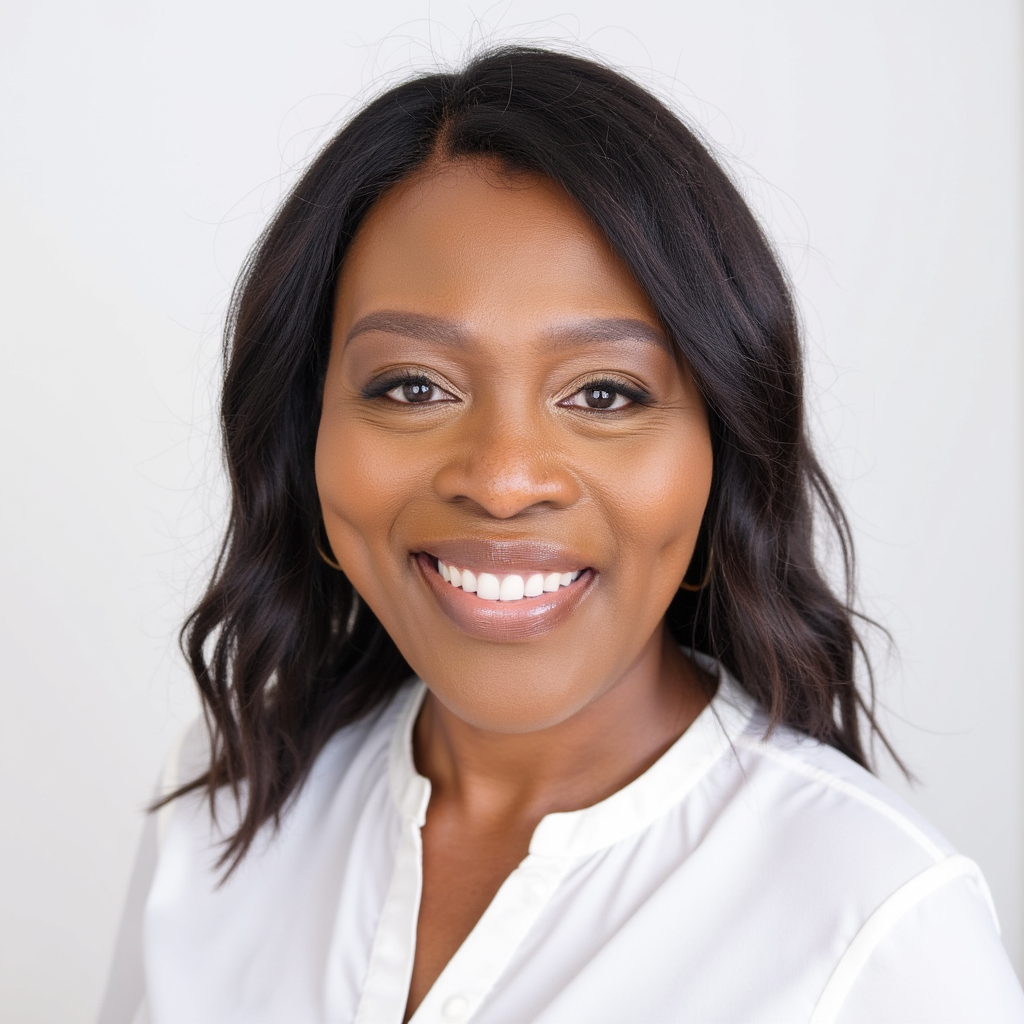
Hi! I'm Dr. J (Jackie Johnson)
Faith-rooted therapist & executive coach for high-achieving women of color
I help high-performing Black women and women of color release burnout, reconnect with their worth, and reclaim their voice—through soulful, faith-affirming therapy and trauma-informed coaching rooted in emotional safety and spiritual alignment.
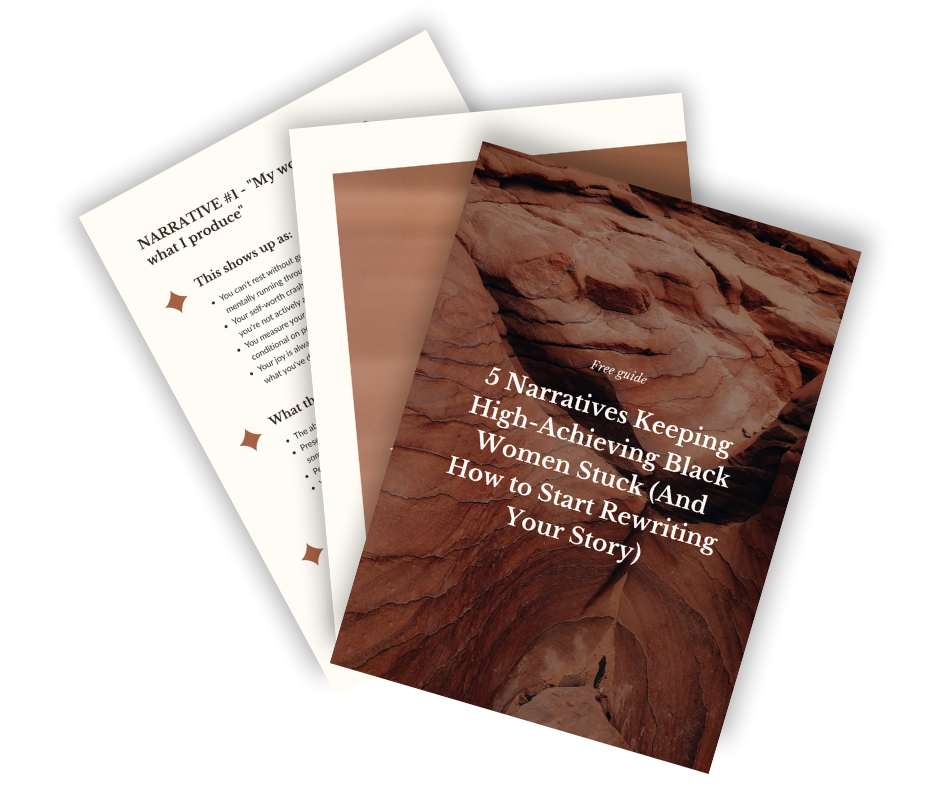
Download my free guide